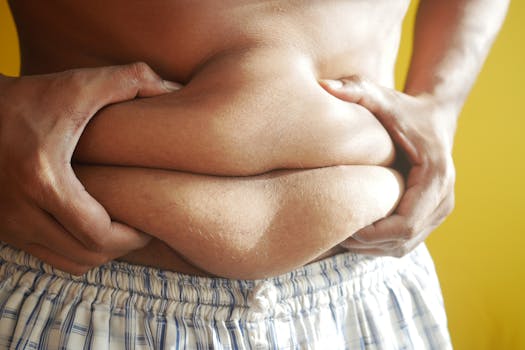
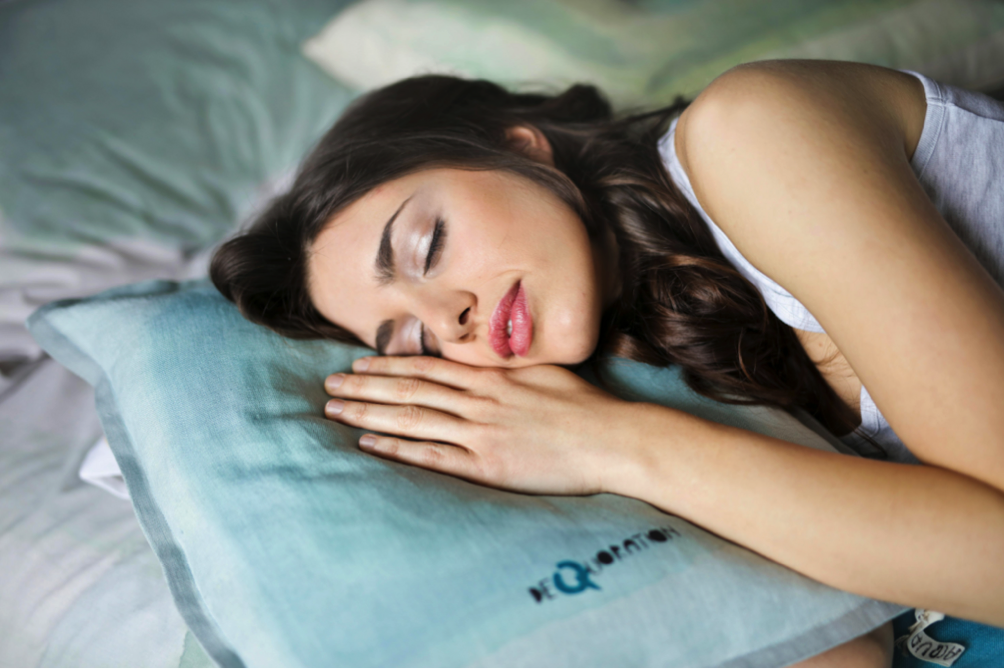
After undergoing liposuction, patients often have questions about their recovery process, such as whether it’s safe to sleep without a compression garment after lipo. This decision is important for your healing journey, ensuring that you support the body’s natural ability to recover while achieving optimal results. In this article, we will explore the role of compression garments, their benefits, and considerations when sleeping after liposuction.
The Role of Compression Garments
Compression garments are specially designed to aid recovery after liposuction. They provide consistent pressure on the treated area, promoting circulation, reducing swelling, and helping to maintain the new shape of the body. Many surgeons recommend wearing these garments 24/7 for the initial recovery period, which typically lasts for a few weeks, depending on the individual’s specific circumstances and the surgeon’s advice.
Sleeping Without Compression Garment After Lipo
Following the guidelines about sleeping without a compression garment after lipo is crucial for a smooth recovery. Compression garments help in minimizing swelling and bruising by applying even pressure across the affected areas. Removing the garment could potentially lead to increased discomfort, swelling, and less favorable outcomes.
Benefits of Wearing Compression Garments at Night
Wearing compression garments while sleeping offers several benefits:
- Support and Stability: Compression garments provide stability to newly contoured areas, helping to improve skin retraction.
- Reduced Swelling: Continuous compression aids in reducing swelling and bruising.
- Improved Comfort: Constant pressure can relieve discomfort by supporting posture and alleviating strain on treated sections.
Risks of Not Wearing a Compression Garment
Choosing to sleep without a compression garment shortly after surgery might lead to complications such as increased swelling, discomfort, or improper healing. Elevated swelling without compression can cause pain and potentially slow down the recovery process.
When Is It Safe to Remove the Compression Garment?
The timeline for discontinuing the use of a compression garment varies from one individual to another. Typically, doctors recommend wearing it consistently for the first two to six weeks post-surgery. However, follow-up consultations with your surgeon are essential to make personalized adjustments based on your progress.
Factors that influence when you can safely stop wearing the garment include the extent of the procedure, the areas treated, initial healing progress, and your body’s response to surgery. Listening to your doctor’s advice is key.
Optimal Sleeping Positions Post-Liposuction
Proper sleeping positions can support healing and enhance comfort. Many patients find that sleeping on their back with slightly elevated legs helps reduce strain and swelling. Using pillows to support different parts of the body can prevent rolling and mitigate pressure on treated areas.
Those who usually sleep on their sides or stomach may need to adjust their positions temporarily. A peaceful and well-supported sleep is vital in helping your body recover well. For additional tips on preparing for a restful night’s sleep, consider exploring our article on the best sleep hygiene practices for deeper restorative rest.
Consult Your Healthcare Professional
Every person’s recovery journey is unique. While general guidelines are helpful, individual factors such as age, overall health, and the specifics of the procedure require personalized medical advice. It’s essential to maintain open communication with your surgeon or healthcare provider and attend regular follow-ups to monitor your healing progress.
If you’re contemplating making changes in your post-surgery care routine—such as sleeping without a compression garment after lipo—initiating a conversation with your healthcare provider ensures that any adjustments align with your recovery needs.
For more in-depth understanding and official recommendations, consider reviewing information from reliable sources such as Wikipedia’s health section.
Final Thoughts
The decision to sleep without a compression garment after lipo should be approached with caution and informed by professional guidance, emphasizing the importance of personalized care in any post-surgery routine. By understanding the benefits and risks associated with compression garments, you can contribute actively to your recovery and achieve the results you desire.
- Compression garments aid in reducing swelling and improving healing after liposuction.
- It’s generally advised to wear compression garments both day and night during the initial recovery period.
- Proper sleeping positions can enhance recovery and comfort.
- Consultation with healthcare professionals is imperative for personalized post-surgery care advice.
- Individual recovery timelines vary, follow your healthcare provider’s guidance.
Frequently Asked Questions
What happens if I don’t wear my compression garment after lipo?
Not wearing a compression garment can lead to increased swelling, bruising, and discomfort, potentially affecting the final results of your liposuction.
Can I sleep on my side after liposuction?
While it’s generally recommended to sleep on your back, your surgeon may offer alternative sleeping position advice based on your specific recovery needs.
How long do I need to wear a compression garment after lipo?
Many surgeons suggest wearing compression garments continuously for at least 2–6 weeks post-procedure. It’s crucial to follow your surgeon’s specific recommendations.
Are there alternatives to compression garments?
Compression garments are tailored for optimal support after liposuction. If they cause discomfort, consult with your provider about potential adjustments or alternatives.
When can I safely return to work after liposuction?
The time it takes to return to work varies depending on the nature of your job and the extent of your surgery. Always consult your healthcare provider to determine an appropriate timeframe based on your situation.