Scarring on back can be both physically uncomfortable and emotionally distressing for many people. Whether resulting from acne, surgery, or injury, back scars may cause irritation, tightness, or simply a desire for smoother skin. Understanding how to effectively manage and potentially reduce these scars is a common concern. In this article, we’ll explore practical solutions for managing back scarring, aiming to provide you with helpful information and strategies.
Understanding Scarring on Back
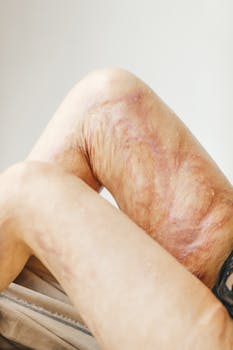
Scarring occurs as part of the natural healing process when the skin repairs wounds caused by accidents, surgery, or acne. The skin produces collagen to mend the area, which can lead to visible scars. Scarring can vary in appearance, from flat to raised or discolored, and can affect both the outer and inner layers of skin.
Types of Back Scars
There are several common types of scars that may appear on the back:
- Keloid scars: These are raised, thick, and can extend beyond the original wound.
- Hypertrophic scars: Raised scars that stay within the boundary of the wound.
- Atrophic scars: Indented scars often resulting from acne or chickenpox.
Factors Contributing to Scarring
Several factors can affect the likelihood and severity of scarring on your back. These include genetic predisposition, the nature of the wound, improper wound care, and repeated trauma or friction in the area. Age and skin tone may also influence scar formation.
Approaches to Managing Scarring on Back
Addressing scarring on the back primarily involves minimizing its appearance and promoting the skin’s overall health. Here are some effective strategies:
Topical Treatments
Over-the-counter creams, gels, and silicone sheets may support the reduction of scars. These products often contain ingredients such as silicone, onion extract, or vitamin E. While they may not eliminate scars, they can contribute to smoother skin and less noticeable scarring.
Professional Treatments
For more pronounced scars, professional treatments might be necessary. These can include:
- Laser therapy: Helps to resurface the skin and reduce scar appearance.
- Chemical peels: Exfoliates the top layer of skin, promoting regeneration.
- Microdermabrasion: A minimally invasive procedure that removes the outermost skin layer.
It’s advisable to consult a dermatologist to determine the most appropriate treatment for your specific needs.
Non-Invasive Options
For individuals seeking less invasive options, regular exfoliation can help. Gentle exfoliators remove dead skin cells and support new skin growth. Additionally, using sunscreen can protect healing skin and prevent further discoloration.
For more insights on whether you can get scar tissue removed and expert tips, check out our detailed guide on scar tissue removal and management.
Natural Remedies
Natural treatments, such as applying aloe vera, tea tree oil, or honey, may help soothe the skin and improve its texture. While evidence varies, these remedies are generally considered safe to test alongside other treatments for healthier skin.
Living with and Accepting Scars
While treatments can help, acceptance is an essential part of living with scars. It’s crucial to remember that scars are a normal part of life and a testament to the body’s ability to heal. Seeking support from friends, family, or professionals can also aid in boosting self-esteem and body confidence.
Learning to manage and potentially diminish the appearance of scarring on back relies on patience, routine care, and understanding of available options. To learn more about skin health and how to care for scars, visit this informative page on skin health and general well-being.
- Scarring varies in type and severity; treatment depends on individual circumstances.
- Topical treatments and professional procedures can help reduce scar appearance.
- Consistent skincare and sun protection are vital for managing scars.
- Explore both professional advice and home remedies to find what works best for you.
- Remember, scars are a natural part of life and can be embraced as part of your story.
Frequently Asked Questions
Are there home remedies to reduce back scars?
Yes, some people find that natural options like aloe vera or honey can support skin health and smoothness. However, results can vary, and these methods should be used in conjunction with dermatologist-approved treatments.
How long do scars take to fade?
The fading of scars can vary widely; some may take several months to a few years. Consistent skincare and treatment may help accelerate this process.
Can diet affect scar healing?
A balanced diet rich in vitamins C, E, and zinc may promote skin healing and reduce scarring. However, evidence is not conclusive, and diet alone may not significantly impact scar formation.
Do silicone sheets really work for scars?
Silicone sheets have been shown in studies to help reduce the thickness and discoloration of scars. They can be beneficial when used consistently over several weeks to months.
When should I see a dermatologist for my back scars?
If your scars are painful, causing concern, or not responding to over-the-counter treatments, consulting a dermatologist can provide personalized advice and suitable treatment options.