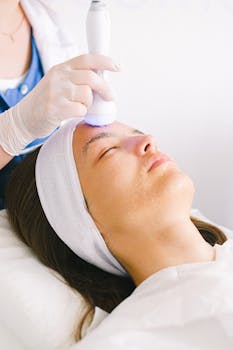
Synthetic PRP (Platelet-Rich Plasma) has emerged as a promising tool in skincare for enhancing rejuvenation. Understanding synthetic PRP in skincare effectiveness is crucial for individuals seeking innovative anti-aging solutions. Unlike traditional PRP, which is derived from the client’s blood, synthetic PRP is created in laboratories, offering a more controlled and consistent product.
Synthetic PRP in Skincare Effectiveness
Synthetic PRP mimics the biological properties of human platelets, aiming to stimulate skin regeneration and collagen production. This section explores how this technology could benefit your skincare routine.
What Is Synthetic PRP?
Synthetic PRP is an advanced form of PRP where growth factors are synthetically produced. These growth factors are essential as they play a vital role in skin healing and rejuvenation. With rigorous advancements in biotechnology, synthetic PRP provides a sterile and standardized concentration of these beneficial elements.
Benefits of Synthetic PRP in Skincare
- Promotes Collagen Production: The growth factors in synthetic PRP stimulate collagen synthesis, leading to firmer and more youthful-looking skin.
- Enhances Healing: Synthetic PRP may accelerate the skin’s natural healing process, making it an effective treatment for acne scars and fine lines.
- Consistency and Control: Because it is lab-produced, synthetic PRP offers consistent quality and constituents, reducing the variability found in traditional PRP treatments.
How Does Synthetic PRP Compare to Traditional PRP?
While traditional PRP involves extracting the patient’s blood, spinning it in a centrifuge, and reapplying it, synthetic PRP eliminates the need for invasive extraction. This approach reduces variability in treatment outcomes and lowers risks associated with bio-contamination. Furthermore, synthetic PRP can be customized to contain specific concentrations of growth factors tailored to particular skin concerns.
Research on Synthetic PRP Effectiveness
Recent studies indicate the potential of synthetic PRP in achieving similar results to its traditional counterpart, with more precision in application. Although still under extensive research, the indications are promising. A deeper dive into these findings can be found in reputable sources such as Wikipedia’s health section, where ongoing studies are examined in detail.
Potential Drawbacks and Considerations
As with any innovative treatment, there are considerations to be mindful of. The primary concern revolves around the long-term effects, since synthetic PRP is relatively new. Potential users should consult with licensed dermatologists to ensure this approach complements their skincare goals and health status.
Moreover, cost can be an inhibiting factor, as synthetic options may be pricier compared to traditional methods. However, its precision and adaptability might offer better value for specific conditions.
Exploring Future Innovations in Skincare
The continuous advancement in biotechnology suggests a promising future where such treatments may become routine in enhancing skincare regimens. For more insights into similar cutting-edge innovations, you might explore topical stem cell therapies, detailed in our article on how topical stem cell therapy revolutionizes healing.
Synthetic PRP in skincare effectiveness lies in its innovative nature and potential for personalization. While current findings are optimistic, comprehensive clinical studies are needed to validate its long-term benefits and safety. Individuals interested in this treatment should weigh its advantages against their specific skincare needs.
- Synthetic PRP offers consistent, lab-created concentrations of growth factors.
- It promotes collagen production and skin healing.
- Potential users should consult dermatologists for personalized advice.
- Further research and clinical trials are necessary for assessing long-term safety and effectiveness.
- Synthetic PRP can be a promising addition to advanced skincare practices.
FAQs
What are the primary benefits of synthetic PRP over traditional PRP?
Synthetic PRP offers a consistent, controlled concentration of growth factors and eliminates the need for blood extraction, reducing variability in results and potential contamination risks.
How does synthetic PRP promote skin rejuvenation?
The growth factors in synthetic PRP stimulate collagen production and enhance the skin’s natural healing processes, leading to firmer and more youthful skin.
Are there any risks associated with synthetic PRP?
While generally considered safe, the long-term effects of synthetic PRP are not yet fully understood. Consulting a dermatologist is essential before undergoing treatment.
Is synthetic PRP suitable for everyone?
Individuals considering synthetic PRP should seek professional advice, particularly if they have specific skin conditions or health concerns, to ensure compatibility with their needs.
How often should synthetic PRP treatments be done?
Frequency depends on individual skin goals and professional recommendations. Typically, treatments are spaced a few weeks apart, but a dermatologist can provide personalized scheduling advice.